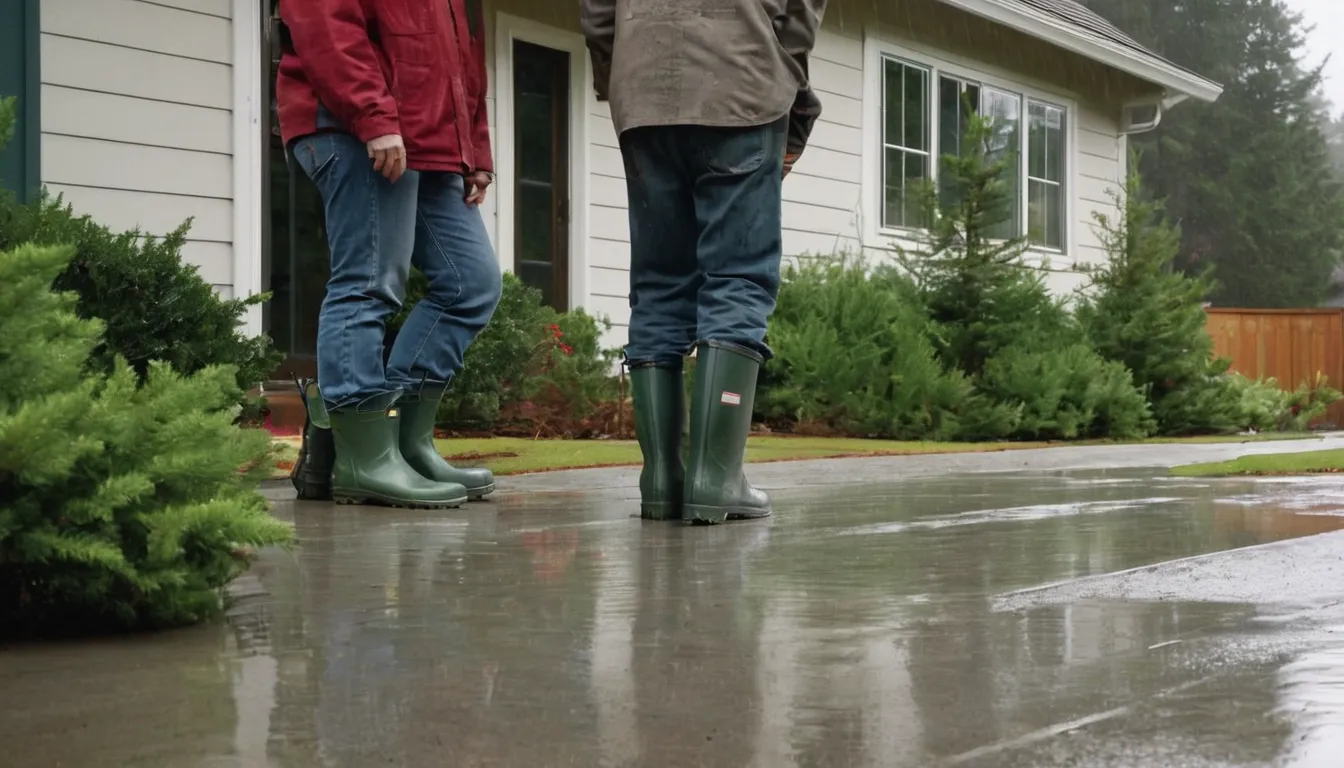
Need residential concrete patios in Buckley?
Planning a new driveway or patio? Send a short request for an estimate, or request a callback to check provider availability. There is no obligation.
No obligationRequest an estimate for your patio
Planning a new patio is exciting, and it is also a big choice. Concrete is a popular pick because it is sturdy, flexible in shape and easy to keep clean. In a region with long, rainy seasons, a patio that drains well matters just as much as how it looks.
Useconoday Concrete is a referral service. We do not pour the concrete ourselves. We connect you with an independent local provider in our network who can look at your yard, talk through your ideas and give you a written quote. You decide at your own pace, with no obligation.
A new patio is a planning job first. Walk your yard after a good rain. Notice where water sits, where moss grows and where the ground stays soggy. Those spots tell a provider a lot.
Pour it right, and the slab protects your home for years. Pour it fast, and it can cause trouble later.
Concrete is tough. It handles chairs, grills, planters and plenty of foot traffic. It can be shaped to fit almost any yard.
It also suits mild, damp climates. With the right finish, it stays safe underfoot even when the weather turns wet.
Buyers notice outdoor space. A clean, level patio that drains away from the house makes a good first impression. It also shows the home has been cared for.
A sealed slab needs a quick sweep and an occasional wash. That is far easier than a surface that holds moss and damp.
Most projects follow the same path. A provider measures the space and talks through the layout. Then the old surface, grass or soil is cleared away.
Next comes a compacted gravel base, forms to hold the shape and often steel mesh or rebar. Concrete is poured, leveled and finished. Then it cures before you use it.
The base under the slab does quiet, important work. In wet ground, a good base helps keep the patio from shifting or settling.
Think about how you will use it. A small bistro set needs less room than a table for eight. Leave space to pull chairs out and still walk around.
Many homeowners also plan for a grill area or a spot for planters. Sketching it on the lawn with chalk or rope can help.
A typical patio slab is about four inches thick. Heavier loads, like a hot tub, may need more. A provider can advise based on your plan.
Plain broom-finished concrete gives good grip and a clean look. Colored concrete adds warmth. Exposed aggregate shows small stones in the surface.
Stamped concrete patios copy the look of stone, brick or wood. They are a nice fit for craftsman homes and newer townhomes alike. Ask a provider to show you sample finishes and how they handle rain.
Rain, moss and damp can make smooth surfaces slick. Choose a textured finish where you will walk most often.
This is the part that protects the home. A patio should slope gently away from the house, so water does not pool near the walls or crawl space.
In wood-frame houses, steady moisture near the foundation can lead to damp, rot and costly problems. Poor drainage is also why some homeowners later look for foundation repair experts. Careful planning now can help you avoid that.
Control joints help concrete crack in neat, planned lines. A provider may also seal the gap where the patio meets the house.
Ask a few simple questions. Has the provider done concrete flatwork like patios before? Can they explain their base prep and drainage plan? Will they put the quote in writing?
Compare more than price. Look at the plan, the materials and the timeline. Ask whether permits or neighborhood rules apply to your project.
Rain and wind can affect a pour. A good provider will talk openly about timing and how they protect fresh concrete.
Give the slab time to cure before heavy use. Your provider will tell you how long. After that, sweep often and rinse away moss and leaves.
Reseal the surface every few years if your provider suggests it. Small cracks are worth watching. If you ever need concrete driveway repair or other fixes, address them early.
Clear gutters and downspouts so water flows away from the slab. A little yearly attention goes a long way.
A provider looks at your yard, slope and soil, then talks through layout ideas with you.
Gravel is compacted, forms are set and reinforcement is added so the slab stays level.
Concrete is poured, leveled and finished with the texture and color you choose.
The slab cures properly, and the site is tidied before you use it.
Prices vary by size, finish, soil and local labor. These are common U.S. ranges only. Ask providers for a written quote that lists every item, so you can compare fairly.
| Item | Typical range | Notes |
|---|---|---|
| Basic broom-finish patio | $6 – $12 per sq ft | Simple shape and standard base |
| Stamped or patterned patio | $12 – $20 per sq ft | Pattern and color raise the price |
| Colored or exposed aggregate | $9 – $16 per sq ft | Depends on mix and design |
| Site clearing and removal | $1 – $5 per sq ft | Old slab or sod adds work |
| Gravel base and grading | $1 – $3 per sq ft | Wet or soft soil may cost more |
| Sealing | $1 – $3 per sq ft | Often repeated every few years |
Tell us about your yard, the size you picture and the look you like.
We connect you with an independent provider in our network near you.
Compare the plan, materials and timeline before you decide anything.
If you move forward, the provider plans the pour around your calendar.
Your request goes to an independent provider in our network who works near you.
Simple, friendly information helps you plan your patio before you talk to anyone.
You choose your own pace. Requesting an estimate is no obligation, and you can compare options.
Drainage, base prep and finish all matter, so the patio protects your home and resale appeal.
Planning a new driveway or patio? Send a short request for an estimate, or request a callback to check provider availability. There is no obligation.
No obligationMost home patios are about four inches thick. If you plan to hold something heavy, like a hot tub or an outdoor kitchen, a provider may suggest a thicker slab with extra reinforcement.
Concrete usually can handle light foot traffic after a few days. Full strength takes about four weeks. Damp weather can slow things down, so follow your provider's advice on when to add furniture.
Yes. A gentle slope sends rain away from your walls and crawl space. Good drainage helps protect the foundation, so ask any provider how they plan to handle it.
Planning a new driveway or patio? Send a short request for an estimate, or request a callback to check provider availability. There is no obligation.
No obligation