Need home concrete driveways in Buckley?
Planning a new driveway or patio? Send a short request for an estimate, or request a callback to check provider availability. There is no obligation.
No obligationRequest your driveway estimate
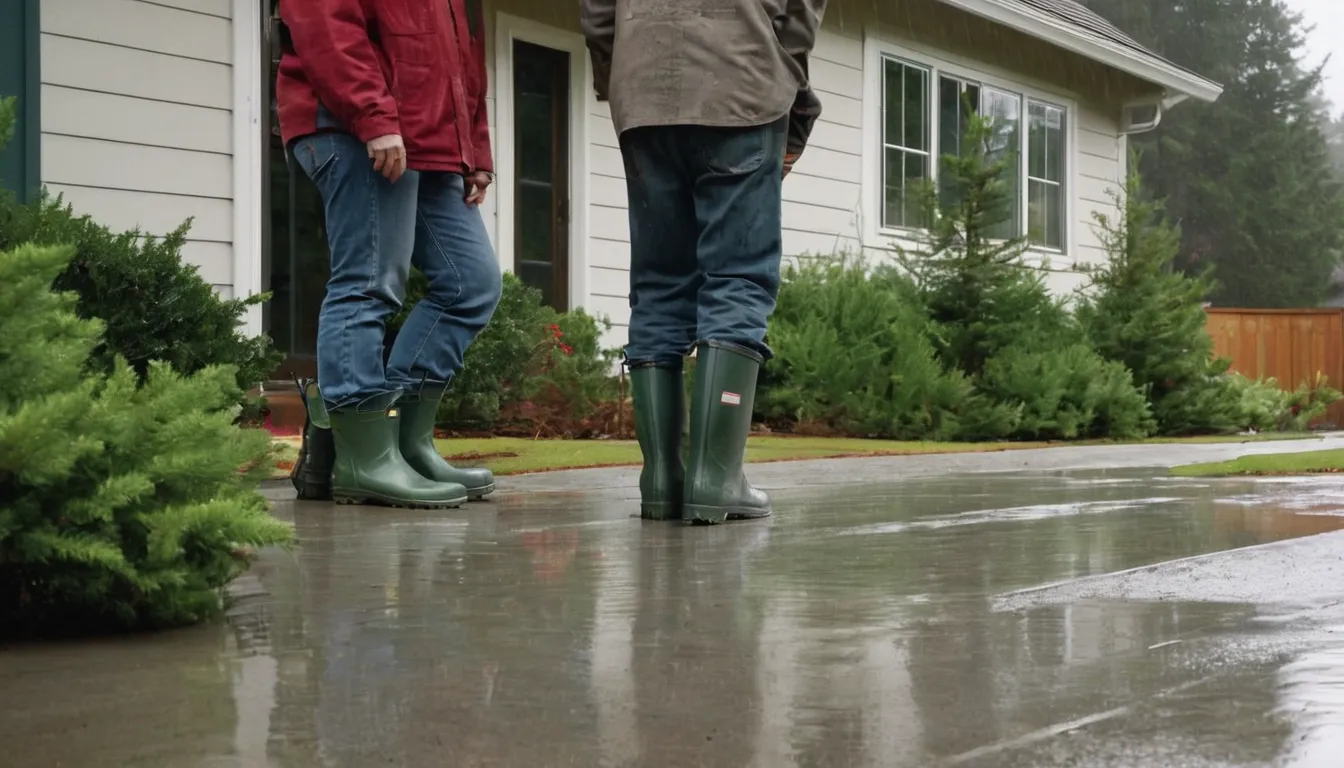
A driveway does more than hold a car. It sends rain away from the house, gives you a firm place to walk, and sets the tone for the whole front yard. In a long wet season, a poorly built slab can hold water, grow moss and crack at the edges.
Useconoday Concrete is a referral service. We connect homeowners in the Buckley area with independent local providers who pour new concrete driveways. The providers do the work. You share your plans, compare what you hear back, and decide at your own pace. Pour it right, and the slab protects the home for a long time.
Your driveway carries cars, sheds rain and guards the edge of your home. When it starts to fail, the problems rarely stay on the surface. Water finds the low spots, soaks the soil and heads toward the house.
If you are reading this with a cracked, sunken or soggy driveway in view, you are in the right place. Take a breath. This is a planning job, not a panic job.
Some wear is normal. Other signs mean the base under the concrete has given up. Watch for these:
One hairline crack is not a crisis. A slab that has moved is a different story.
Small problems can sometimes be patched. People often search for concrete driveway repair first, and that can make sense for a few narrow cracks on a solid base. But patches do not fix a base that has washed out or settled.
If the slab has sunk, tilted or broken into many pieces, a new pour is usually the longer-lasting choice. A local provider can look at the surface and tell you which path fits.
A good project has more steps than most people expect. The pour itself is only one day of the work.
The old slab is broken up and hauled away. The soil is then graded so water has a clear path to run off.
A compacted gravel base goes down first. Wood or metal forms shape the edges, and steel mesh or rebar is often set inside.
Concrete is poured, leveled and finished. Control joints are cut so the slab cracks in neat lines instead of random ones.
Start with how you use the space. A single car needs less width than a household with several vehicles. Think about guest parking, a basketball hoop, or a path to the front door.
Thickness matters too. Many home driveways are poured around four inches thick, while heavier loads like trucks or RVs may call for more. Ask the provider to explain why they suggest a number.
For the surface, a broom finish gives good grip when everything is wet. Smooth finishes look sharp but can turn slippery in rain. Decorative options exist, but a plain, textured slab suits most rainy climates well.
In regions with long, steady rain, timing is part of the plan. Concrete needs time to set and cure, and heavy rain on fresh concrete can mar the surface. Providers often schedule around dry spells and cover the slab when showers move in.
Mild temperatures are a help. Concrete cures more evenly when it is not freezing or baking. Ask what the provider does if the forecast changes on pour day.
Wood-frame homes and crawl spaces do not like extra moisture. A driveway should slope gently away from the house, with water directed to a safe spot. This detail protects the home more than any finish does.
If you already see damp crawl spaces or shifting near the foundation, mention it early. Some providers work alongside foundation repair experts when the soil or footing needs attention before new concrete goes in.
The apron is the section where your driveway meets the street. In many areas it sits in public right-of-way, so the rules can be stricter than for the rest of the slab. Cities may require a permit, set width limits or specify how the apron is built.
Ask the provider whether they handle permit paperwork and who pays the fees. Rules vary by town and by lot, so check with your local building office as well. Older craftsman neighborhoods may also have their own limits.
A good provider is happy to answer plain questions. Look for clear written quotes, a stated plan for the base and drainage, and proof of license and insurance where your area requires it. Ask to see past driveway work in similar weather.
Useconoday Concrete does not do the work. Independent providers in our network handle the project and set their own terms.
Line up the estimates side by side. Compare the scope, not only the total. A lower number may skip the base work or use thinner concrete. If something is missing, ask. Request a callback to check provider availability if you want to talk it through first.
The slab looks done long before it is ready. Keep cars and heavy items off for the time the provider gives you, often a week or more. Keep pets and foot traffic away for the first days.
Concrete keeps gaining strength for weeks. Water the surface lightly if the provider suggests it, and avoid harsh de-icing salts or strong chemicals in the first season.
Sweep off leaves and needles so moss has less to cling to. Rinse away grime with a gentle wash. A sealer, applied when the provider advises, can help the surface shed damp.
Fix small cracks before water gets in. Watch the drainage after big storms. A little attention keeps the slab dry, solid and durable.
Buyers notice a clean, level driveway right away. A well-built one also tells them the drainage was handled. Pour it right once, and the slab supports your home's curb appeal and future resale.
Share a few details about your property and what you have in mind. You will hear from an independent local provider, and you decide what happens next with no obligation.
The worn driveway is broken up and hauled off so the new slab starts on clean ground.
Soil is shaped for runoff, then a compacted gravel base gives the concrete steady support.
Edges are framed and steel is set inside to help the slab resist cracking.
Concrete is placed, leveled and textured, then jointed and cured with care.
Prices depend on size, access, soil and finish. These are typical U.S. ranges only, so ask each provider for a written quote that spells out the full scope.
| Item | Typical range | Notes |
|---|---|---|
| Standard poured driveway (per sq. ft.) | $6 – $12 | Plain broom finish, average base prep |
| Old slab removal | $1 – $3 per sq. ft. | Depends on thickness and hauling |
| Gravel base and grading | $1 – $4 per sq. ft. | Wet or soft soil can raise the price |
| Rebar or wire mesh | $0.50 – $2 per sq. ft. | Often included in the base quote |
| Street apron and permit | $200 – $1,500 | Local rules and fees vary widely |
| Sealer or special finish | $1 – $4 per sq. ft. | Optional, adds grip or protection |
Tell us the size, the current problems and what you want the new driveway to do.
Useconoday Concrete connects your request with an independent local provider who works near you.
Compare the scope, base work, thickness and timing before you agree to anything.
You pick the date with the provider, ideally around a dry stretch of weather.
Long rainy stretches test every slab, so drainage and a firm base matter from day one.
Proper slope keeps water away from the foundation and crawl space beside the driveway.
A level, clean driveway helps buyers see a home that has been looked after.
Independent providers know area soil and rules, and you choose at your pace.
Planning a new driveway or patio? Send a short request for an estimate, or request a callback to check provider availability. There is no obligation.
No obligationA well-built concrete driveway often lasts decades. Results depend on the base, drainage, thickness and weather. Moss control, small crack care and avoiding harsh chemicals can help the slab stay solid longer.
Many providers say to wait about seven days before regular cars, and longer for heavy trucks. Cool, damp weather can slow curing, so follow the specific timing your provider gives you.
Often yes, especially for the apron where the driveway meets the street. Rules differ by town, so check with your local building office and ask the provider whether they handle the paperwork.
Planning a new driveway or patio? Send a short request for an estimate, or request a callback to check provider availability. There is no obligation.
No obligation